


 Health Plans


 18 November 2025
Skin care in cold weather: how to avoid dryness, redness, and premature aging.
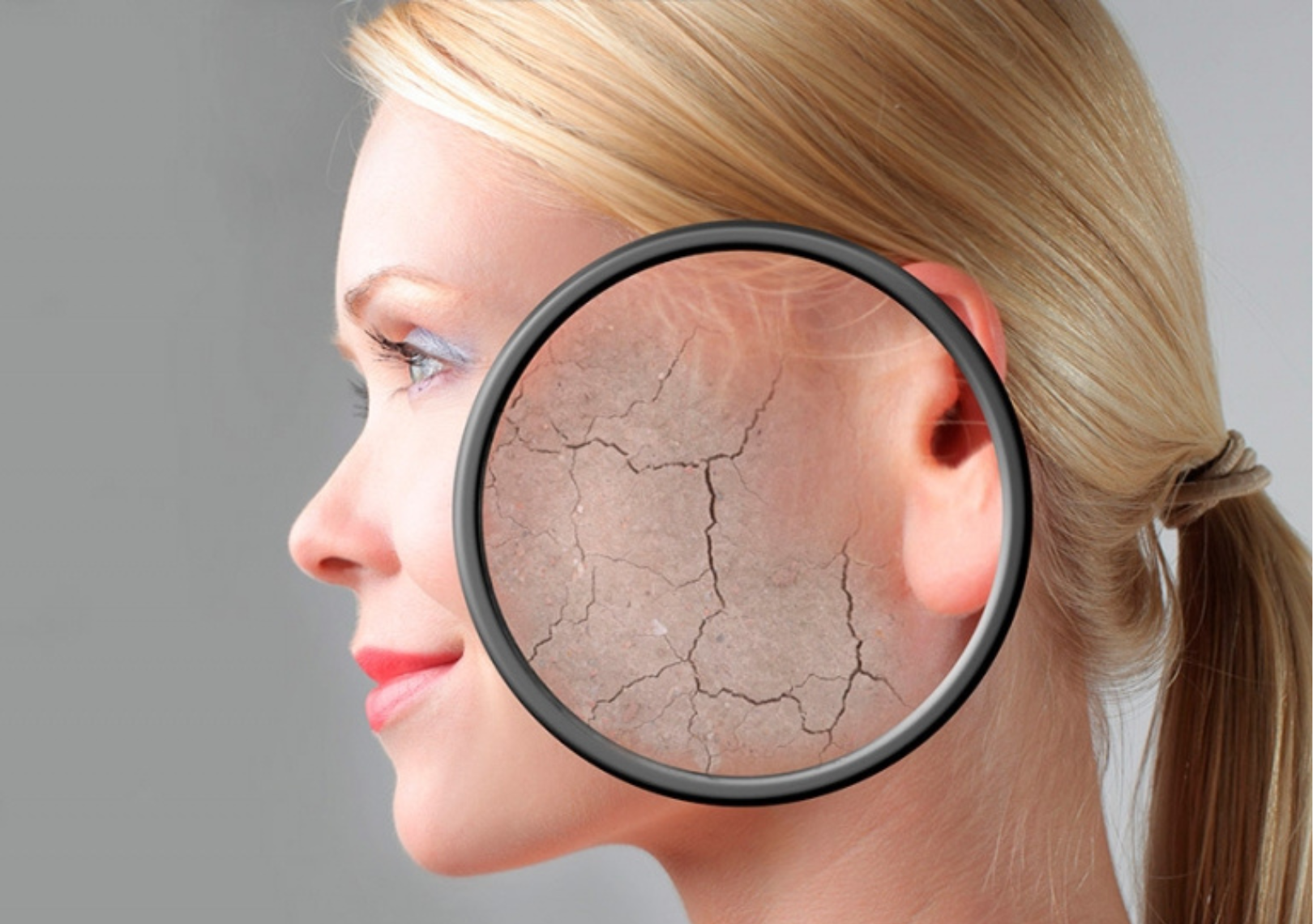
As temperatures drop and the air becomes increasingly dry, our skin starts to show signs of distress. That tight feeling, the little flakes that appear on your arms, the red cheeks—all are signs that your skin is struggling. And if we don’t act, this discomfort can turn into bigger problems: irritation, persistent redness, and even premature aging.
This article explains why cold weather “attacks” your skin, what really works (based on scientific studies), and how to prepare your skin for winter—effectively, with a touch of lightness and even a bit of humor (yes, you can smile while taking care of your skin).
1. Why does skin suffer more in the cold?
1.1 The number one enemy: low humidity + indoor heating
The combination of cold air and wind outdoors with indoor heating is terrible for the skin. As the American Academy of Dermatology explains: “When temperatures drop and humidity is low, our skin struggles to retain moisture, resulting in dryness, itchiness, and chapped lips.”
In addition, when we spend long periods indoors with the heating on, the air becomes even drier—pulling even more water from the skin.
1.2 The skin barrier weakens
The outermost layer of the skin—the stratum corneum—acts like a protective wall, keeping hydration in and harmful agents out. In cold weather, this “wall” becomes fragile: the production of natural oils decreases, environmental humidity drops, and the barrier’s effectiveness declines.
A published study showed that people with poorer “cold recovery” (in terms of facial blood flow) had drier skin during winter. Another clinical study found that formulations containing panthenol, PEA, and niacinamide significantly improved facial redness associated with winter dryness.
1.3 Redness, irritation, and premature aging
When the skin barrier is compromised, hydration escapes, and irritants and cold trigger inflammation. This results in persistent redness (especially in sensitive or rosacea-prone skin) and, in many cases, accelerates visible signs of aging: fine lines, uneven texture, and loss of radiance. As Harvard Health explains, “Cold, dry air—both outdoors and indoors—reduces the water content of the stratum corneum.”
2. Funny note: “When your skin needs more blankets than you do”
Think of it this way: in winter, your skin is like sleeping with torn slippers—cold, uncomfortable, and begging for change.
If you stick with your “summer cream” (that thin blanket), you’ll wake up with “crusty skin.”
If you forget to moisturize, your skin becomes that needy friend who keeps calling, “Hey, remember me? I’m dry!”
But if you care for it properly, you can become that “radiant winter person” everyone asks, “What’s your secret?”
3. How to prepare your skin for the cold — routine + ingredients + lifestyle
3.1 Cleansing & bathing
Avoid long, hot showers: hot water strips the skin’s natural oils, making it more vulnerable. Use a gentle cleansing gel or cream—free from harsh fragrances or excessive foam. After your shower, pat dry gently with a towel and apply moisturizer while the skin is still slightly damp to lock in hydration.
3.2 Hydration & “invincible” cosmetics
Choose richer moisturizers in the cold: formulas with ceramides, fatty acids, and natural oils help rebuild the skin barrier. If you have redness or sensitive skin, look for anti-redness or repairing ingredients (like niacinamide). Don’t skip sunscreen—it might seem unnecessary in the cold, but UV rays still cause damage and premature aging. Using a humidifier at home also helps restore moisture to the air and prevent further dryness.
3.3 Lifestyle that helps
Stay hydrated—but note that drinking more water alone doesn’t fix a damaged barrier. Eat foods rich in healthy fats (like omega-3) to nourish the skin from within. Avoid coarse fabrics directly on your skin (like rough wool) if it’s already sensitive, and prioritize rest—your skin regenerates best when you sleep well and manage stress.
4. Top 5 “winter mistakes” to avoid
Taking very hot showers – comforting but drying.
Using your light summer cream – those formulas deserve a break.
Skipping sunscreen – cloudy skies don’t block UV rays.
Ignoring redness or itching – persistent irritation can signal inflammation or another condition.
Overheating your home – the hotter it is, the drier the air; stay warm with clothing and blankets instead.
5. Call to Action
If your skin has already been “complaining” this winter, it may be time to act. Schedule a skin consultation or dermatological assessment at Misericórdias Saúde (or with your local healthcare professional) to check if your barrier function needs extra care. Follow the routine above for 30 days and notice the change—a happy winter skin is possible. Share this article with someone who always says their skin gets dry in winter, and help spread preventive healthcare awareness.
6. Conclusion
Cold, wind, and indoor heating can turn your skin into a hydration battlefield—but you don’t have to surrender. By adjusting your routine, using the right ingredients, and maintaining healthy habits, you can protect your skin and make it the highlight of your winter self-care. Remember: your skin is the largest organ of your body and deserves care—especially when the temperature drops.

05 November 2025
Infused Water, Iced Tea or Soda? What Really Hydrates?

03 June 2025
Health and Environment – How do air, water, and noise affect our bodies?

04 November 2025
Men's Health in Focus: Why Check-Ups Are a Man's Business Too